

London, 12 November 2026, invite only
An invite-only forum for institutions building on Ethereum.
Exploring Ethereum’s roadmap, post-quantum readiness and the infrastructure enabling institutional finance onchain.
Speaking at EIF London
Our speakers take you from a technical morning to an afternoon on onchain finance, with a networking break at midday. Invitations cover the full day, but you're welcome to join only the half that suits you best.
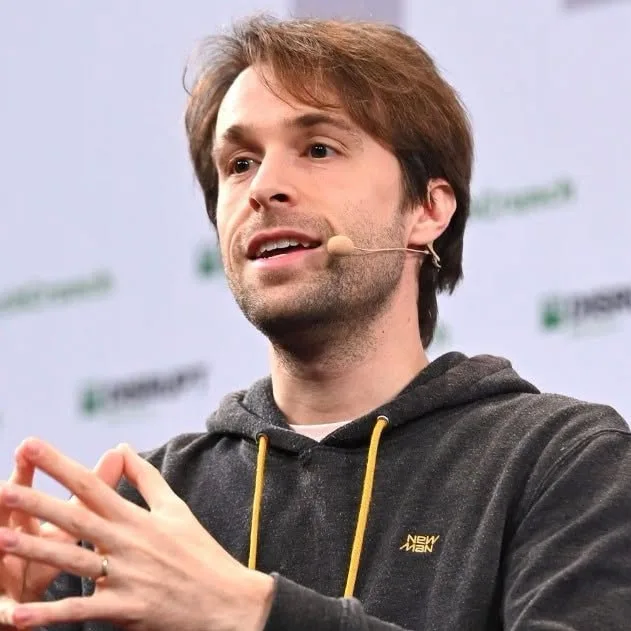 Justin DrakeResearcherEthereum Foundation
 Emma LandriaultGlobal Head of Kinexys Labs and JPM Coin (JPMD)J.P. Morgan
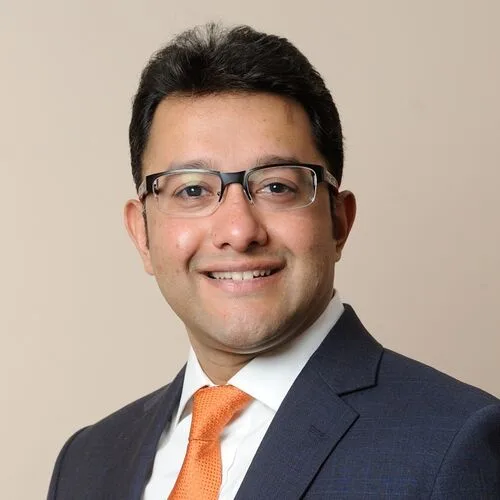 Nikhil SharmaDirector, Digital AssetsBlackRock
 Tom PikettExecutive Director, Product Management of Digital AssetsDTCC
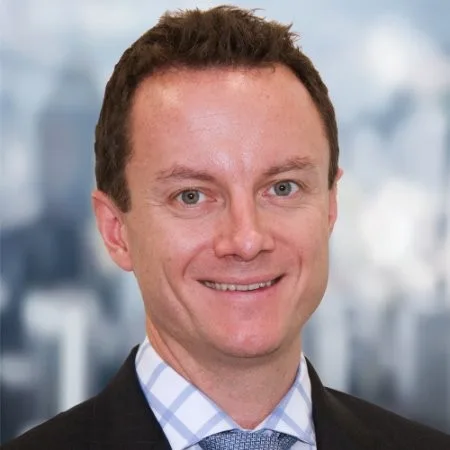 Geoffrey KendrickGlobal Head of Digital Assets ResearchStandard Chartered
 Karl FloerschCo-Founder and CTOOptimism
 Ansgar DietrichsExecutive DirectorEthlabs
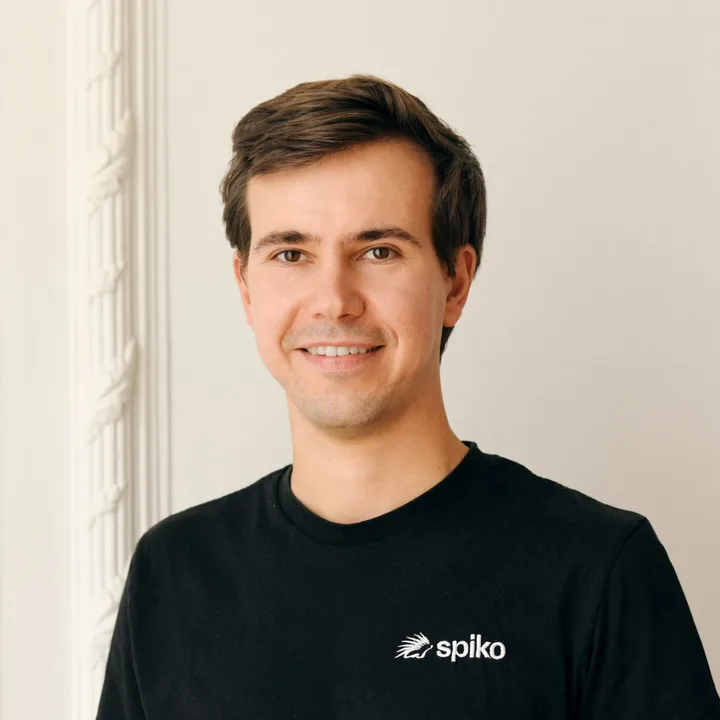 Paul-Adrien HyppoliteCo-Founder & CEOSpiko
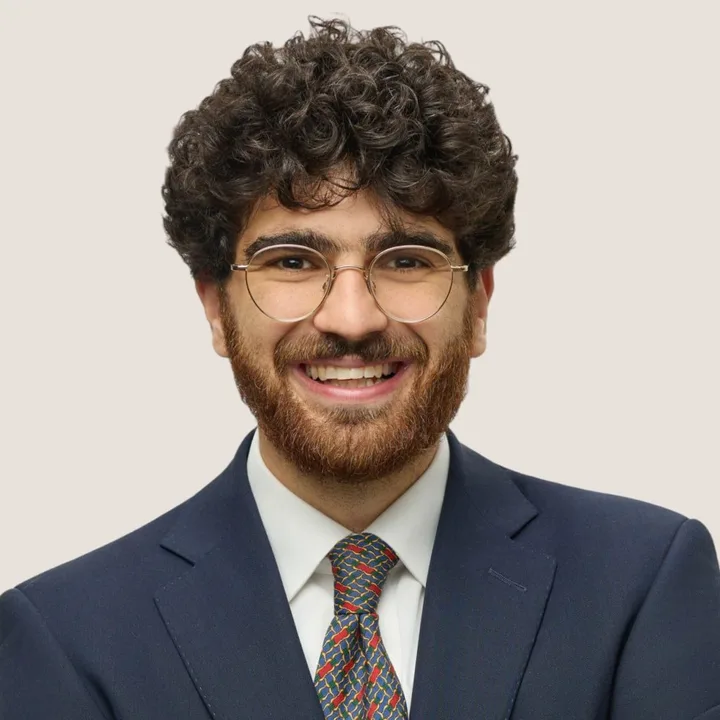 Theo GoldenHead of Tokenised Product, InternationalBroadridge
 David CunninghamPresident and Chief Business OfficerConsensys
 Ian WallisDigital Assets DirectorBaillie Gifford
 Kristen MierzwaHead of Digital AssetsFTSE Russell
 Chris TyrerPresident of Bullish ExchangeBullish
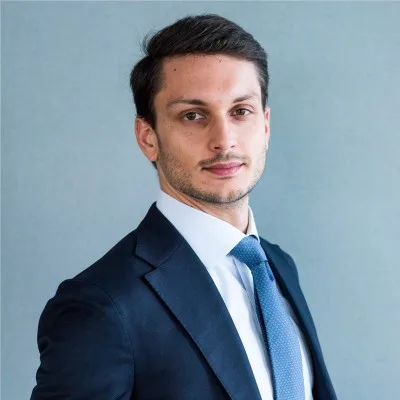 Michele CancelliManaging DirectorCiti
 Frank SeiboldGlobal Head of Banking & Capital Markets SalesChainlink
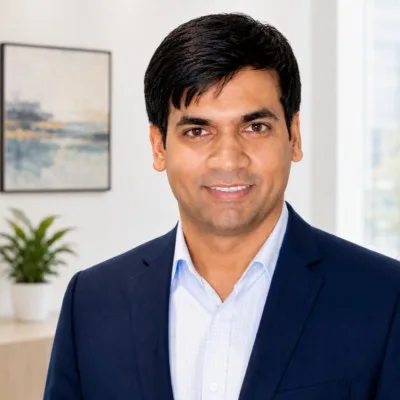 Vivek JainHead of Digital Assets CoE and Capital Markets Practice UKCapgemini
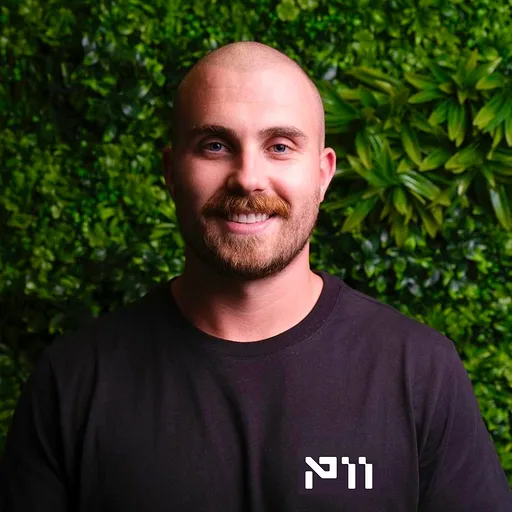 Conor DeeganCo-Founder and CTOProject Eleven
 Julian ZawistowskiGolem Foundation
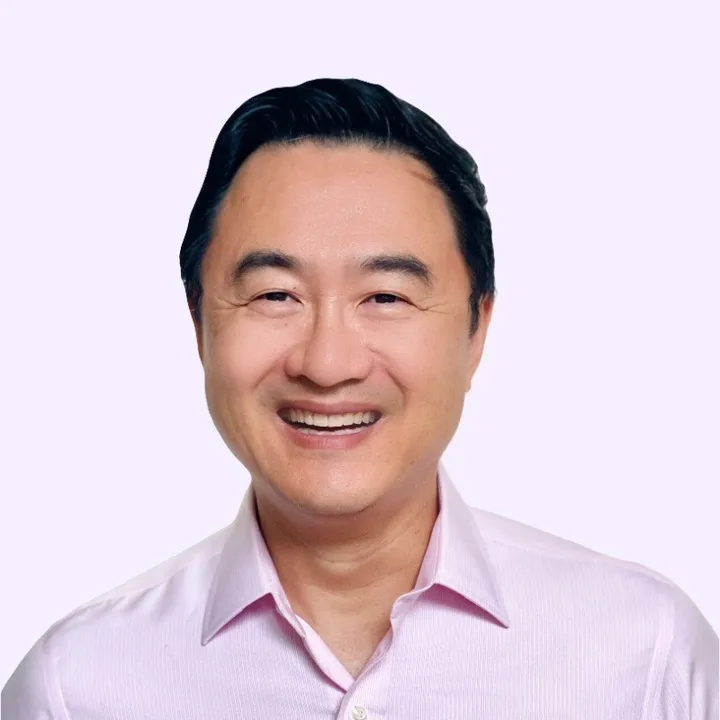 Mitchell KimController & Director of Financial ReportingBitmine
Agenda
The EIF is hosted by Ethereum Institutional. This edition moves from a technical morning into an afternoon focused on onchain finance, giving senior institutional participants a credible, neutral environment to understand where Ethereum is heading technically and what that means commercially.
09:00
Opening
Doors Open
10:00
Keynote
Post-Quantum Ethereum
A technical overview of Ethereum’s post-quantum roadmap and what it means for institutions.
10:45
Keynote
The Ethereum Roadmap
A deep dive into the Strawmap and Ethereum’s roadmap for 2026 to 2030.
11:30
Live Session
Q&A with Ethereum
Direct discussion on Ethereum’s technical development and what comes next.
12:00
Panel
Native Issuance on Ethereum
Best practices and lessons from institutions already building on Ethereum.
12:45
Break
Lunch and Networking
Working lunch and structured networking.
13:30
Fireside
Fireside with J.P. Morgan
14:00
Fireside
Fireside with BlackRock
14:30
Panel
Onchain Finance
How institutions are bringing real-world assets and financial infrastructure onchain.
15:15
Panel
Ethereum Asset Treasuries
Settlement, custody, collateral and the role of Ethereum as financial infrastructure.
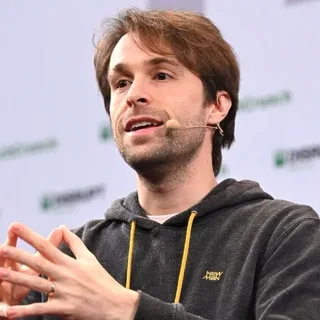

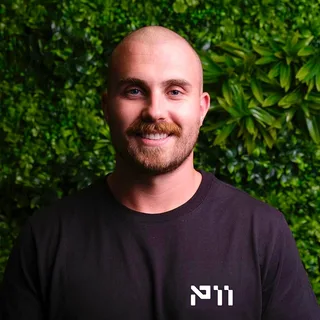
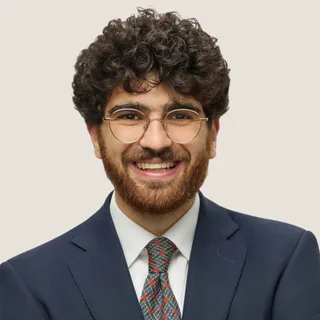



Times are London time (GMT).
Co-hosted with

Bitmine is the largest Ethereum treasury company in the world, advancing the ecosystem through strategic treasury management, native protocol participation and staking operations.
Previous Attendees
- Euroclear
Kimpton Fitzroy London
London, 2026
- Date
- 12 November 2026
1 of 10
Speakers from Past EIF Editions
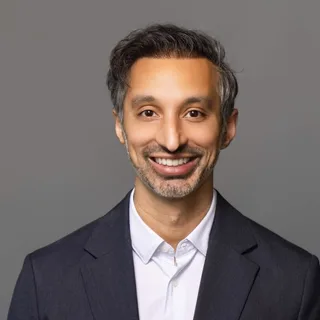
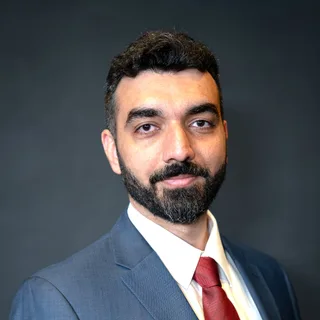
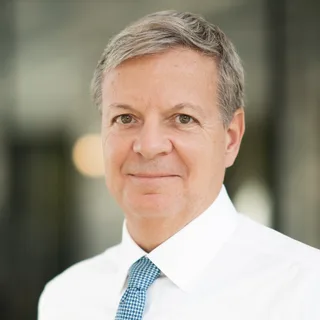
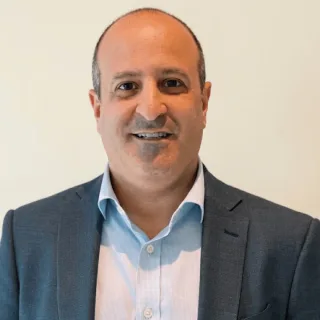
Leaders from banks, asset managers, market infrastructure and onchain finance who have spoken at previous editions of the EIF.

- Dan DoneyManaging Director CTODTCC Digital Assets
- Geoff KendrickGlobal Head of Digital Assets ResearchStandard Chartered
- Malcolm ClarkeHead of Digital AssetsWestern Union
- Stani KulechovFounder & CEOAave
- Robert MitchnickHead of Digital AssetsBlackRock
- Jasmine JiaHead of Tokenization EcosystemFidelity Investments
- Theo GoldenHead of Tokenized ProductBroadridge
- Vivek RamanChief Executive OfficerEtherealize
- Rajeev BamraHead of Strategy, Digital EconomyMoody’s Ratings
- Kristen MierzwaHead of Digital AssetsFTSE Russell
- Tom ZschachChief Innovation OfficerSwift
- AJ WarnerChief Strategy OfficerOffchain Labs
- Joseph ChalomChief Executive OfficerSharpLink
- Johann KerbratSVP & General Manager, Crypto and InternationalRobinhood
- Jim HiltnerCo-founderSuperstate
- Fernando Luis Vázquez CaoPresident, Banking & Capital MarketsChainlink Labs









What Past Attendees Said About EIF
London marks the third edition of the Ethereum Institutional Forum (EIF), following highly regarded editions in Hong Kong and New York. Here’s what previous attendees had to say.
The venue was excellent, and the feedback from various sources has been fantastic! We are thrilled to have organised this event together and look forward to future collaborations!
High signal, no noise. One of the best crypto institutional events I‘ve attended.
It was a well-done session with 150 executives in finance & digital assets thinking through growth & change in the financial system and the Ethereum ecosystem.
About Ethereum Institutional
Ethereum Institutional is an independent non-profit dedicated to accelerating the institutional adoption of Ethereum, its L2s, applications and overall ecosystem.
Founded in 2026 with anchor funding from BitMine, SharpLink, Joseph Lubin and Mihai Alisie, our role is to translate institutional requirements into credible onchain deployments, while ensuring institutions can navigate Ethereum with clarity and confidence.
Through our events, we bring leading institutions and Ethereum ecosystem stakeholders together on neutral ground to set priorities, address challenges, and coordinate solutions that drive new deployments on Ethereum.
FAQs
For questions or further information, please email events@ethereuminstitutional.org
What will the programme cover?
Ethereum’s technical roadmap and its role in institutional finance, including post-quantum Ethereum, the Strawmap, native issuance, tokenisation, settlement, custody and collateral.
How can I attend?
The event is by invitation or through a successful application, with applications reviewed on a rolling basis. Successful applicants will receive registration instructions by email and have seven days from approval to complete their registration. Tickets are non-transferable and may only be cancelled upon request.
What does it cost to attend?
There is no cost to attend for invited guests or successful applicants, and we would be delighted to host you. As places are limited and we maintain a waitlist, we kindly ask that your RSVP is treated as a firm commitment to attend.
What is the dress code?
Business casual is recommended.
Are there speaking opportunities?
Speaking opportunities are carefully curated, with a focus on Ethereum protocol experts and institutional leaders. We are always open to considering new speakers.
Get in Touch
Attendance at the EIF is by invitation. If you’d like to attend, speak or explore a partnership, please complete the form below.

Get Our Latest Event Updates
Stay up to date with the EIF series and see where we’re heading next.